
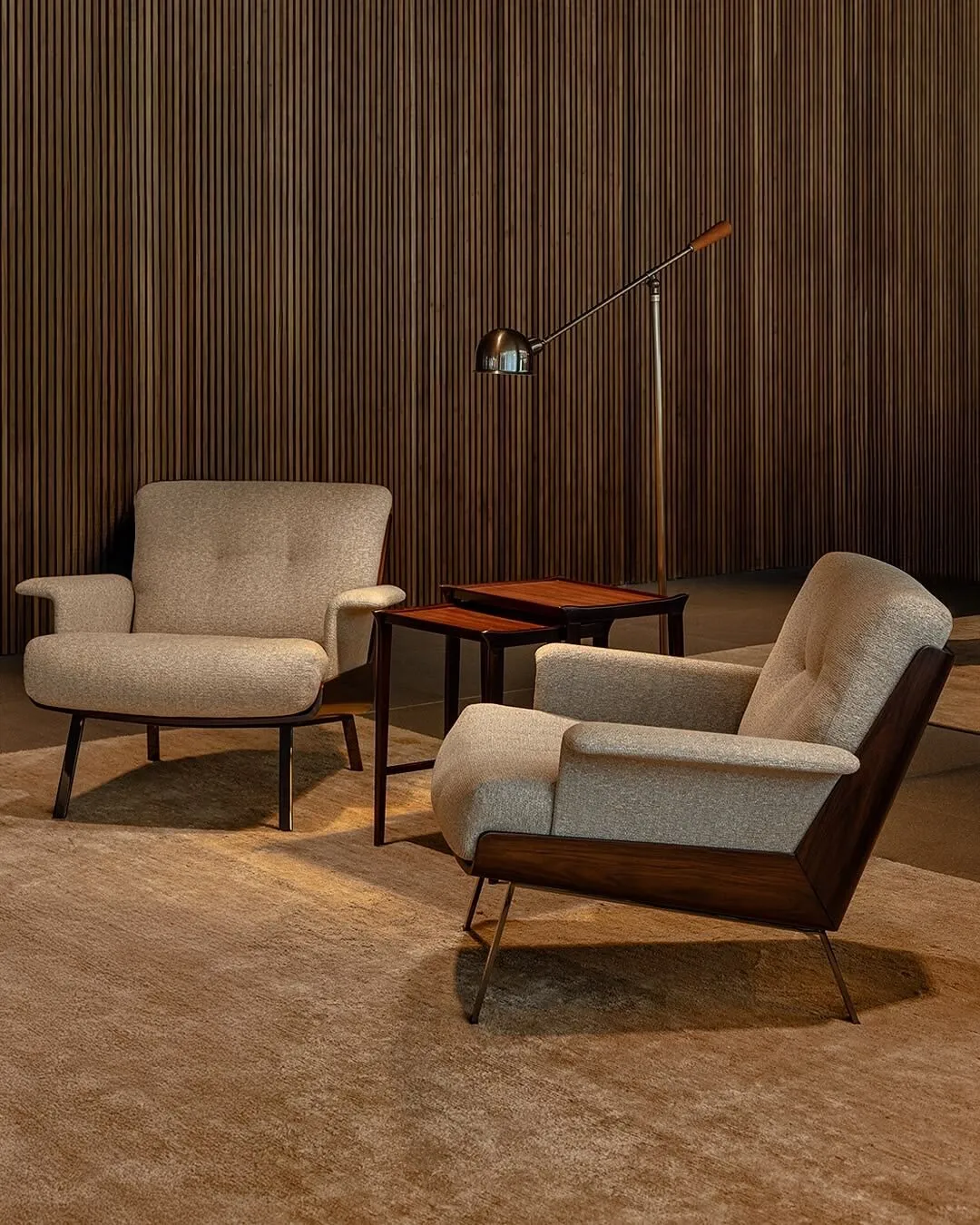
A well-designed home is not necessarily the one with the most furniture. In many interiors, fewer carefully chosen pieces can create a stronger sense of style. Instead of filling every corner, focus on proportion, quality, and how each piece contributes to the overall space.
1. Start with the Essentials
Begin with the furniture you genuinely need. A comfortable sofa, useful table, good lighting, and practical storage can create the foundation of a room without requiring dozens of pieces.
Once the essentials are in place, you can see whether the room actually needs anything else.
2. Choose Pieces with Character
When there are fewer pieces in a room, each one has more visual importance. Look for furniture with strong proportions, interesting materials, or a distinctive silhouette.
The Daiki Lounge Chair, for example, can add personality to a room without requiring a large collection of decorative furniture around it.
3. Use Negative Space
Empty space is not wasted space. Leaving areas of the room intentionally open can make furniture feel more considered and allow individual pieces to stand out.
Avoid decorating simply because a corner is empty. Sometimes the best design decision is to leave it that way.
4. Invest in the Details That Matter
With fewer furniture pieces, small details become more noticeable. Focus on quality materials, thoughtful lighting, artwork, textiles, and objects that genuinely add something to the room.
Instead of buying more, consider whether each addition improves the way the space looks or functions.
Creating a designer-looking home is less about how much furniture you own and more about choosing the right pieces. Start with the essentials, select furniture with character, embrace negative space, and pay attention to meaningful details. A room with fewer, better-chosen pieces can often feel more sophisticated and intentional.